Penguin
The origami penguin is a charming little model that stands up on its own. With black and white paper (or any two-toned sheet), the color contrast creates a natural tuxedo effect. It is a wonderful winter-themed craft and pairs beautifully with the whale and fish for an ocean collection.
Video Tutorial
Step-by-Step Instructions
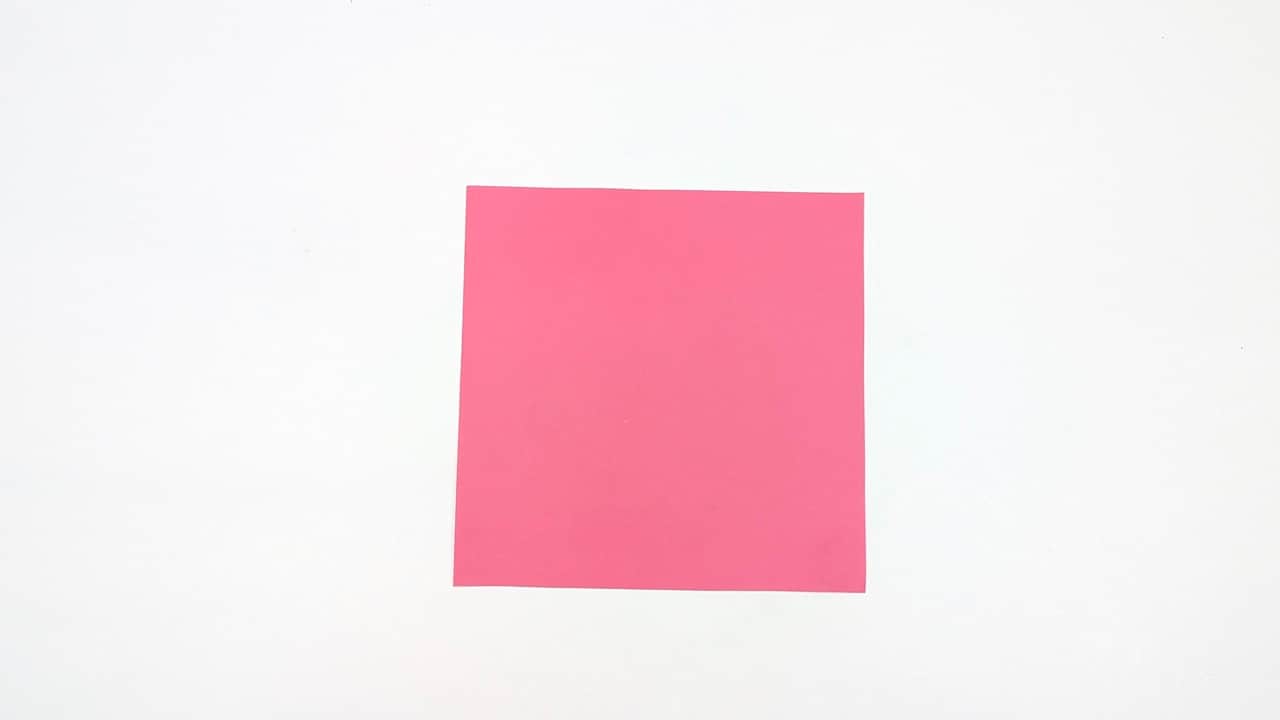 1
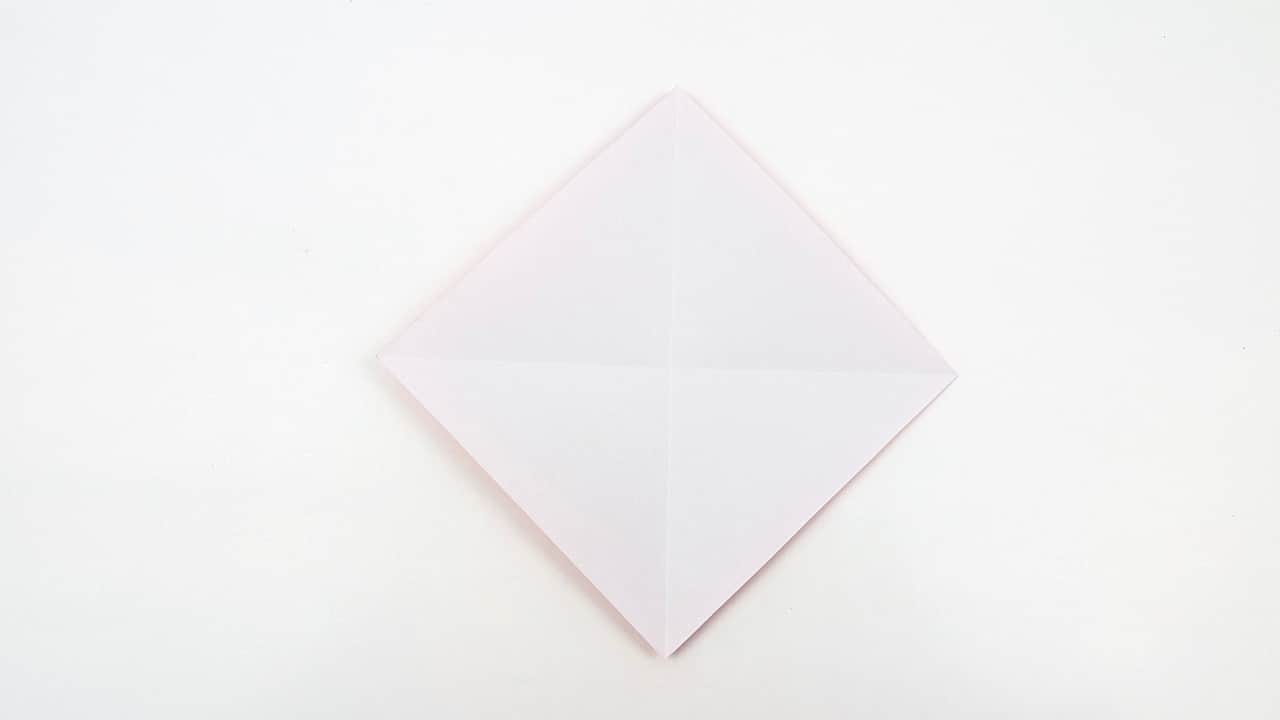
1Start with a square sheet of paper, white side up. Place it as a diamond with one corner pointing toward you.
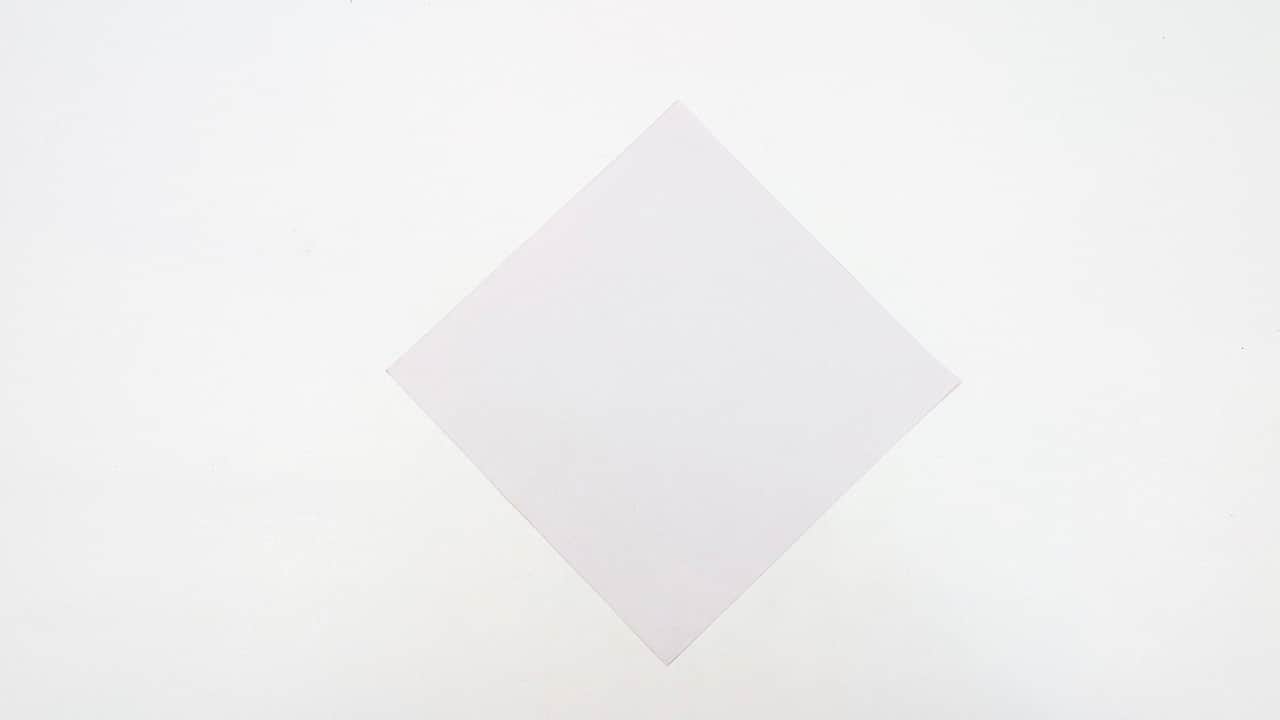 2
2Fold the paper in half diagonally from bottom to top to make a triangle. Crease firmly.
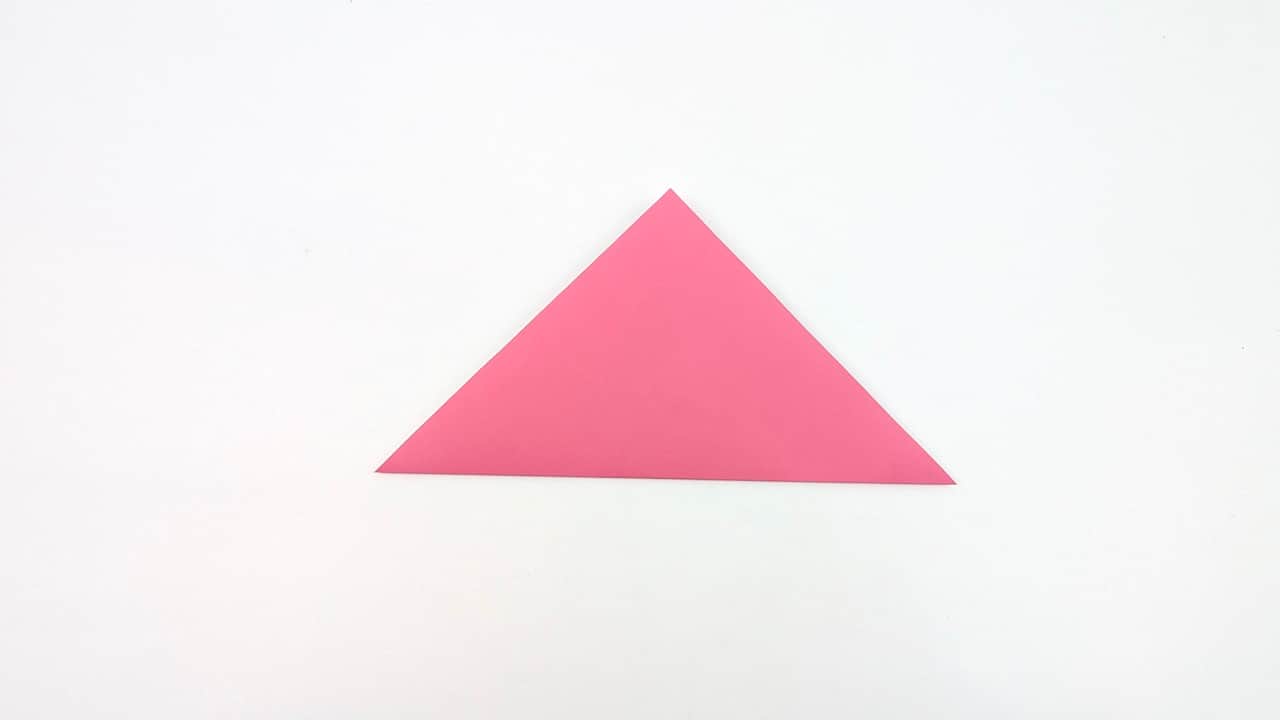 3
3Unfold back to the full square. You should see one diagonal crease.
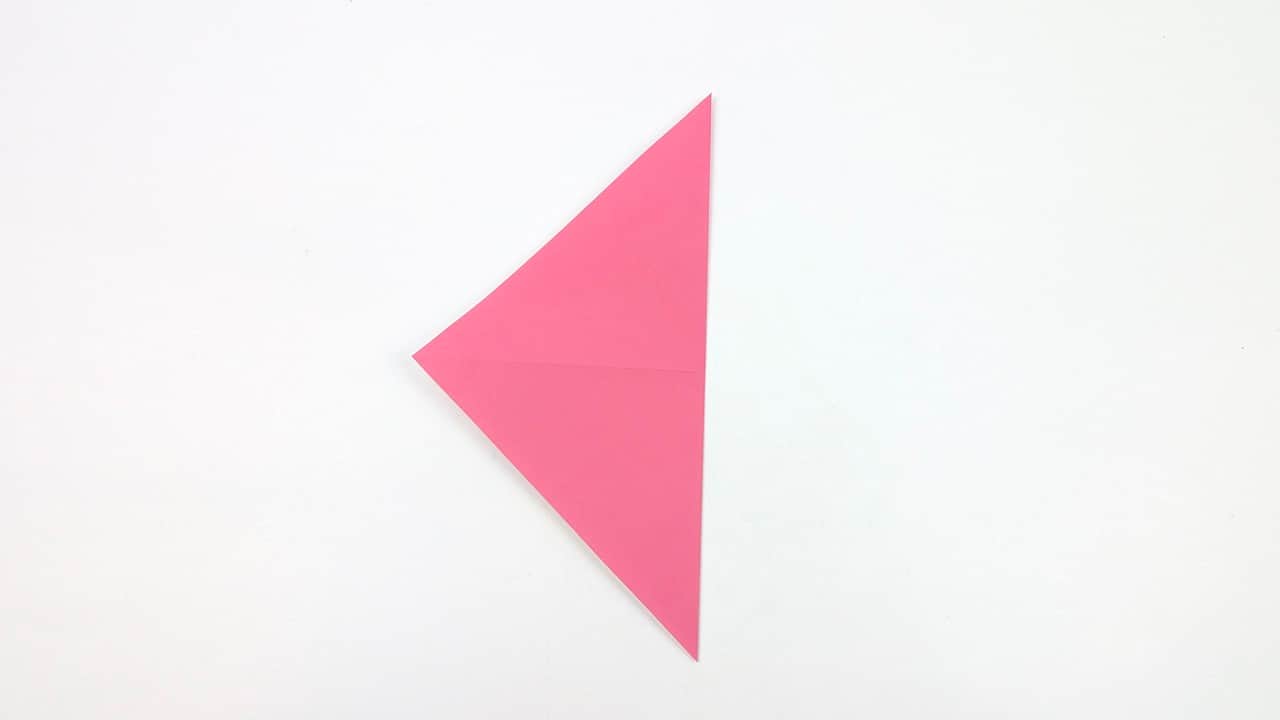 4
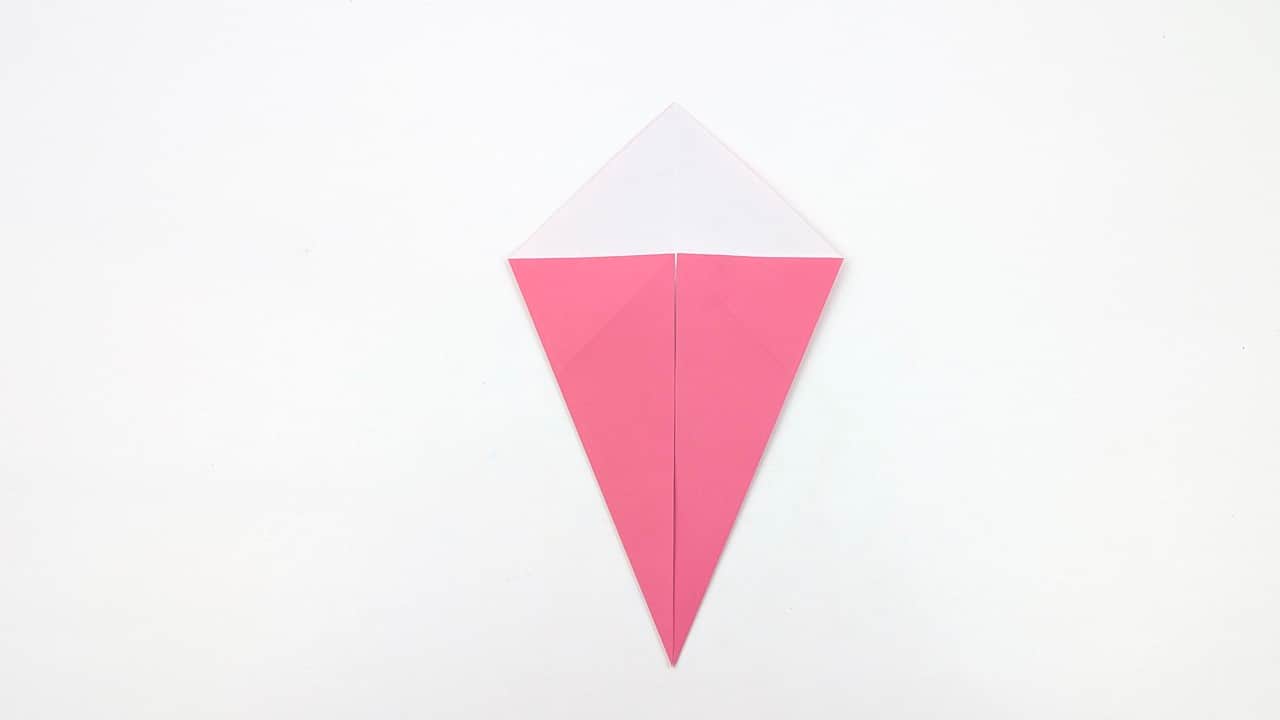
4Fold the right edge to the center diagonal crease.
 5
5Fold the left edge to the center diagonal crease, matching the right side. This forms a kite shape.
 6
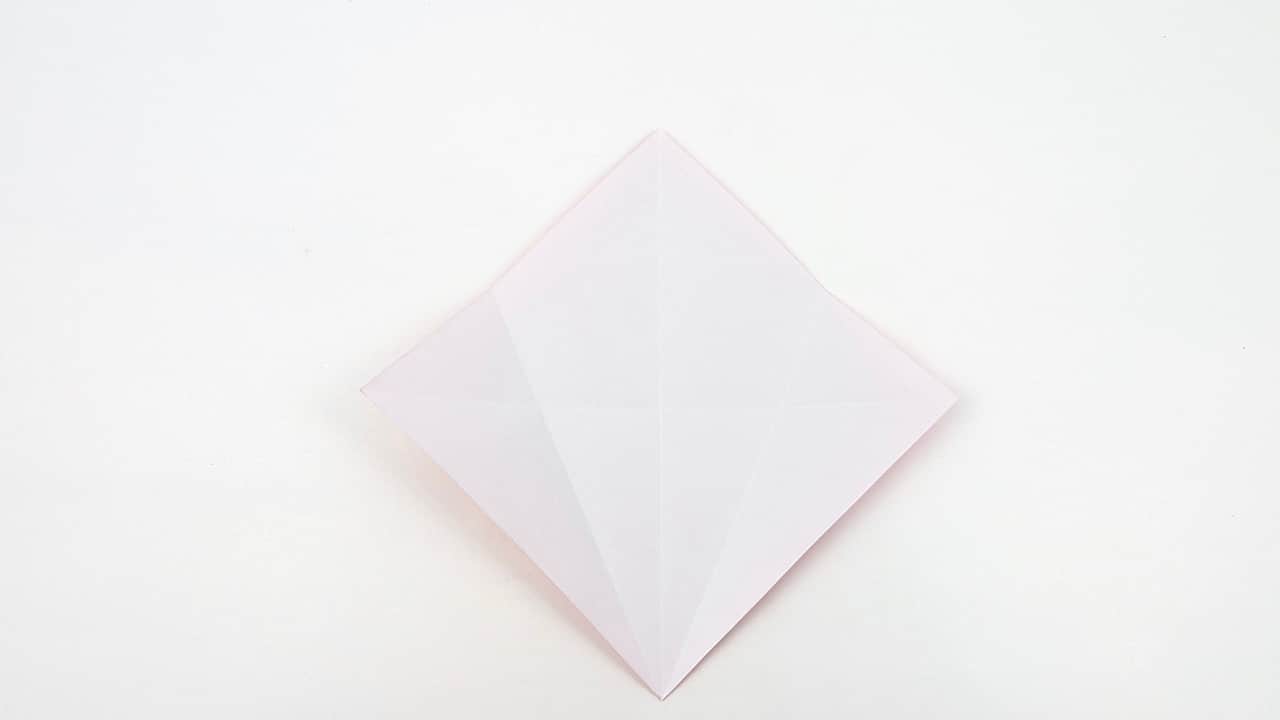
6Press the kite shape flat and sharpen all creases.
 7
7Flip the entire model over to the colored side.
 8
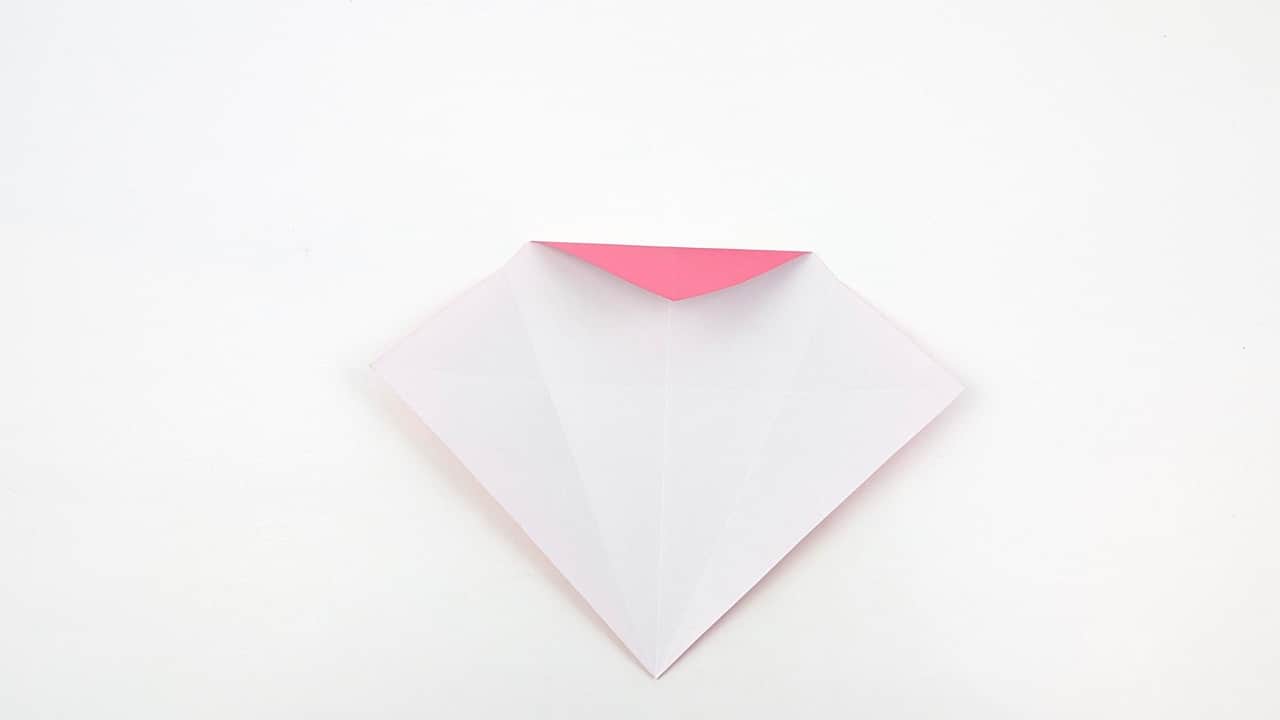
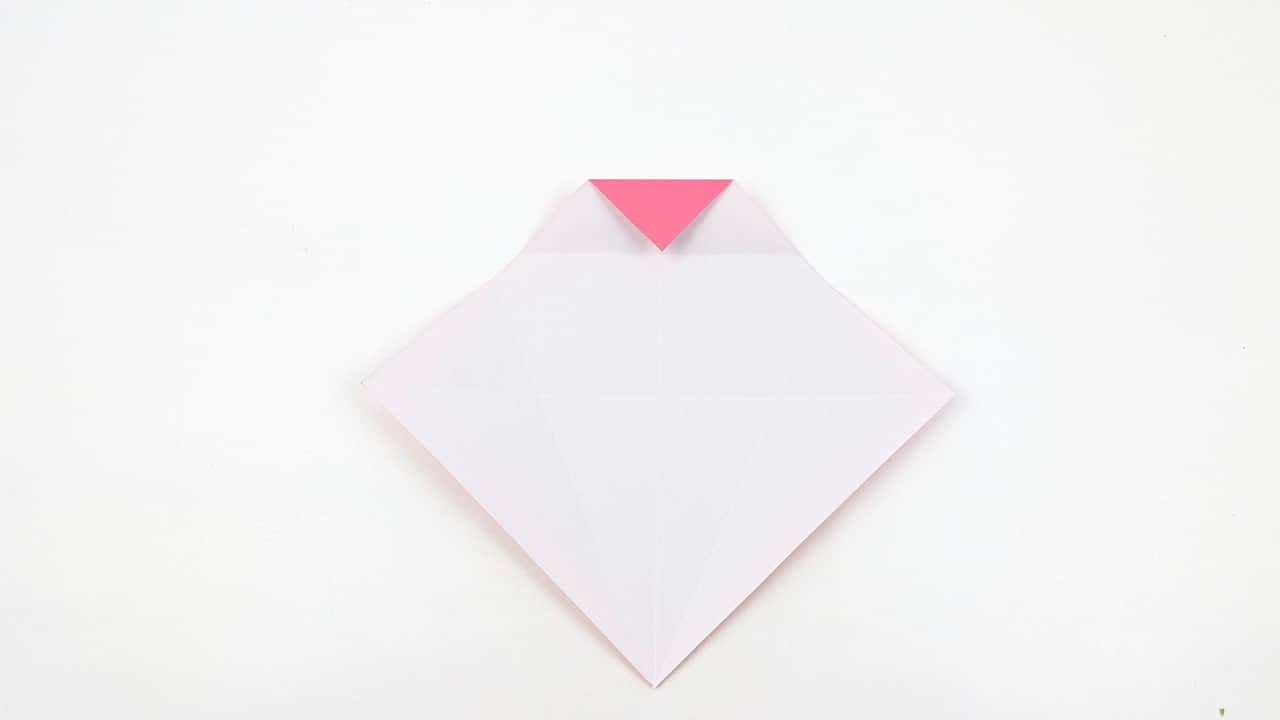
8Fold the narrow top point downward. This will become the penguin's head — stop about one-quarter down from the top.
 9
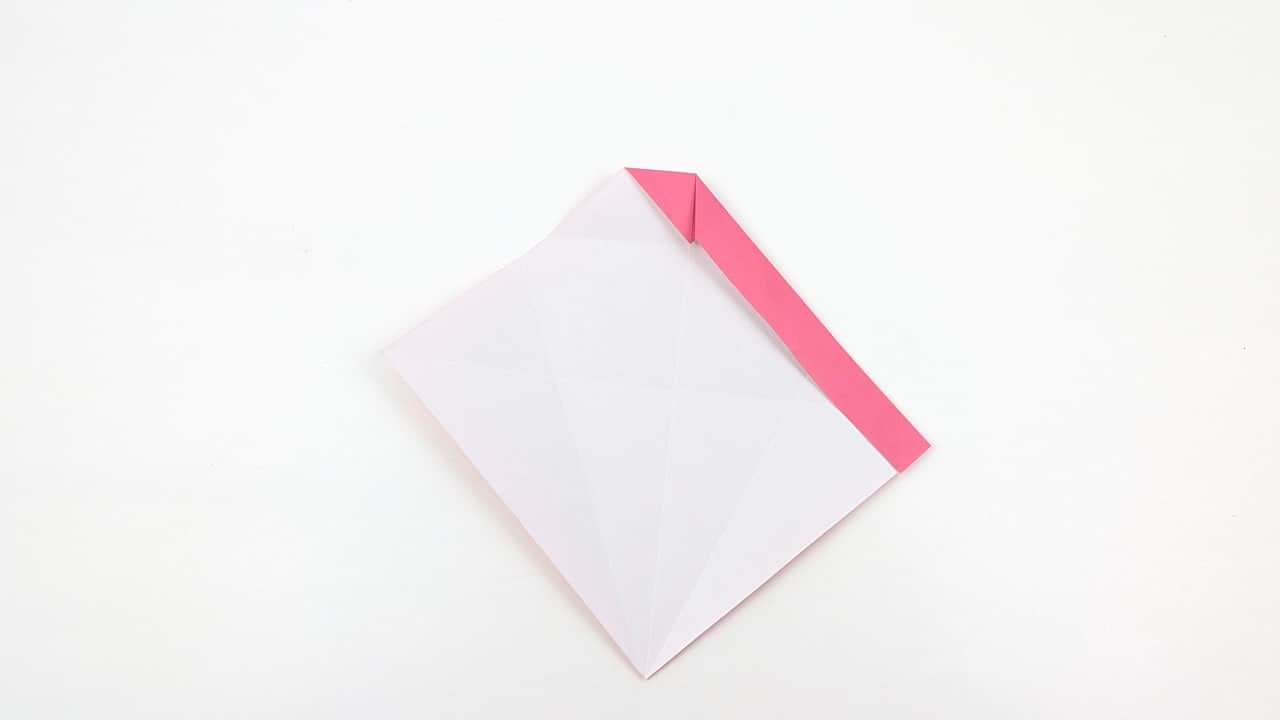
9Crease the fold sharply across the full width of the top section.
 10
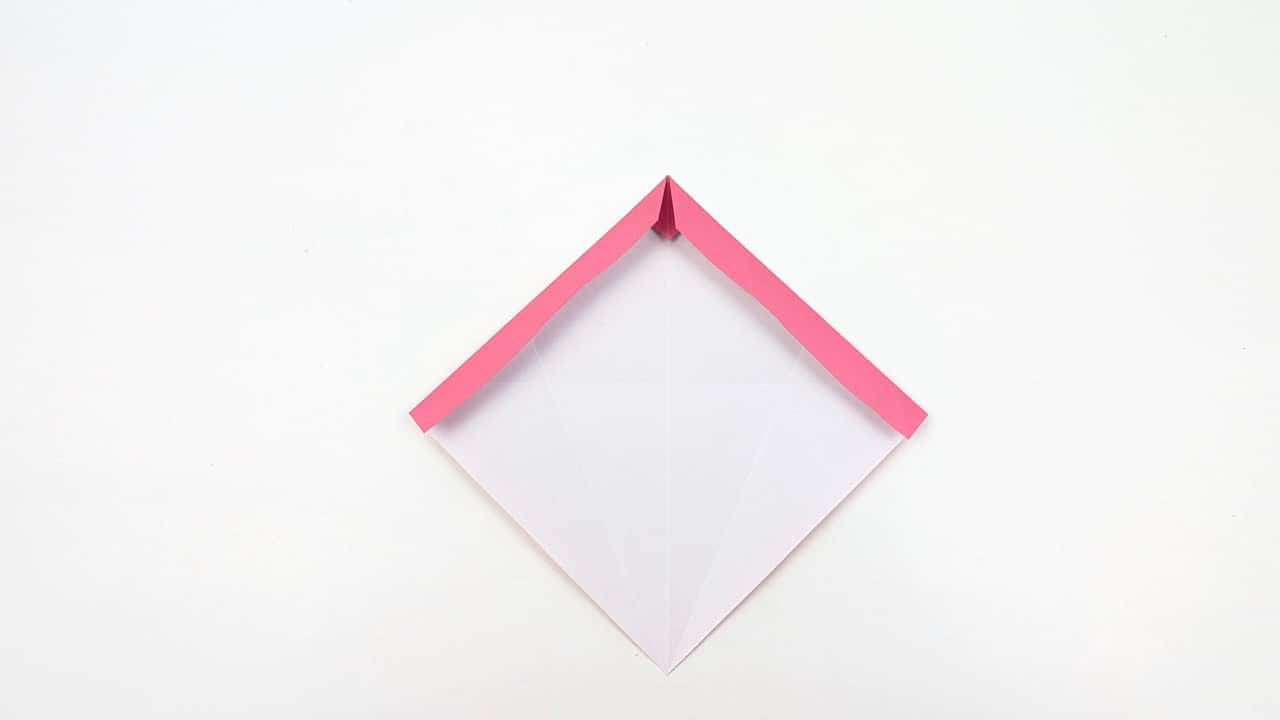
10Fold the new top point back upward slightly to create the beak. The fold should be small and sharp.
 11
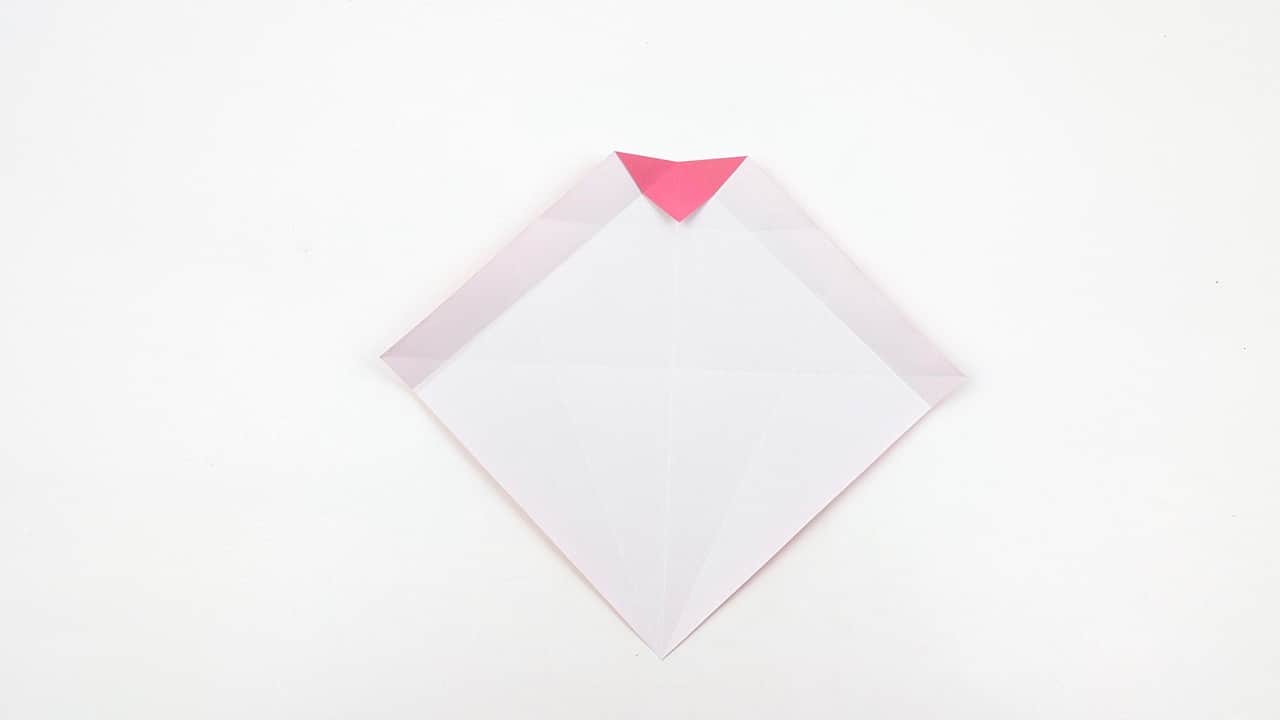
11Crease the beak fold firmly and adjust until it looks natural.
 12
12Flip the model back over. You should see the white side with the kite edges.
 13
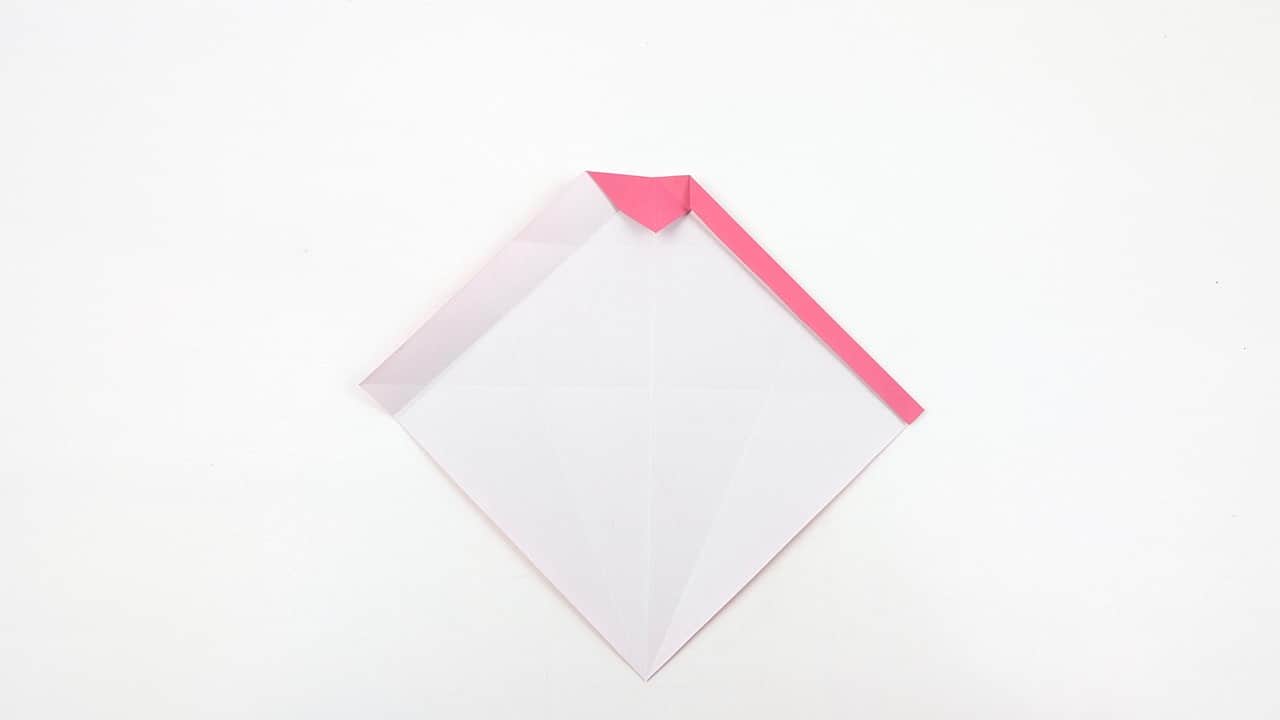
13Fold the right edge inward toward the center, leaving a white border on the outside.
 14
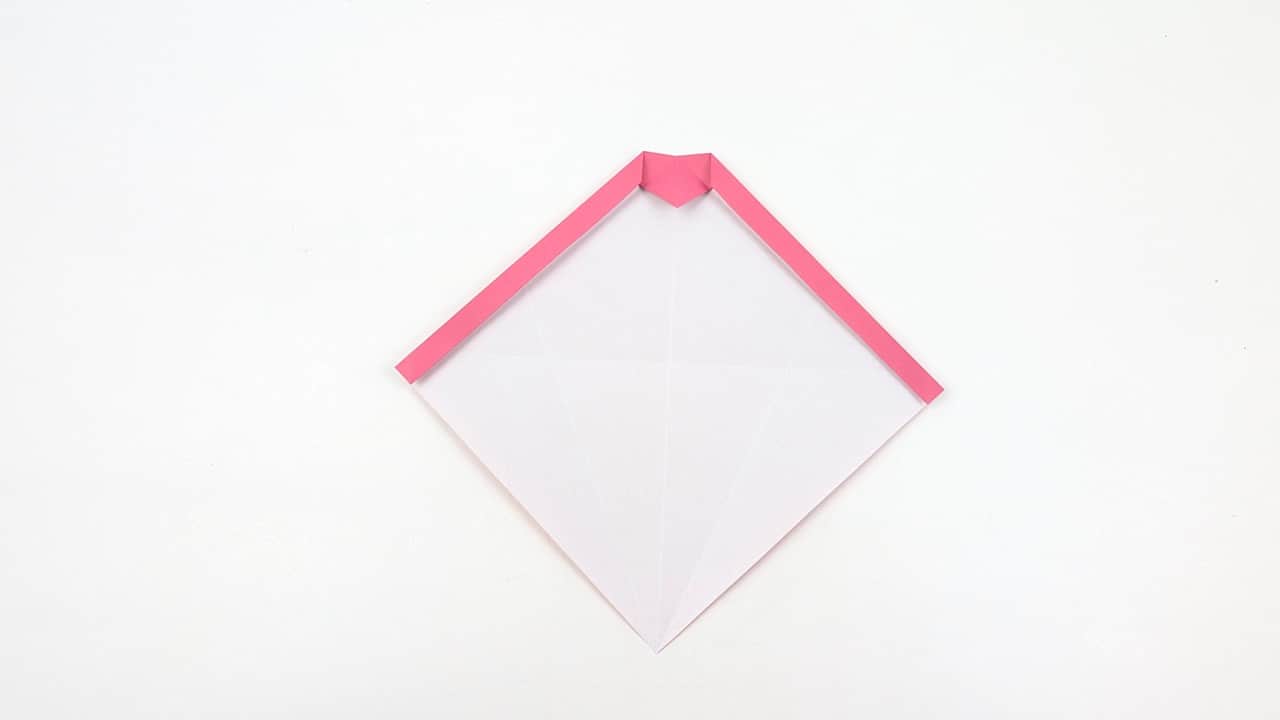
14Fold the left edge inward in the same way, creating a white belly stripe down the center.
 15
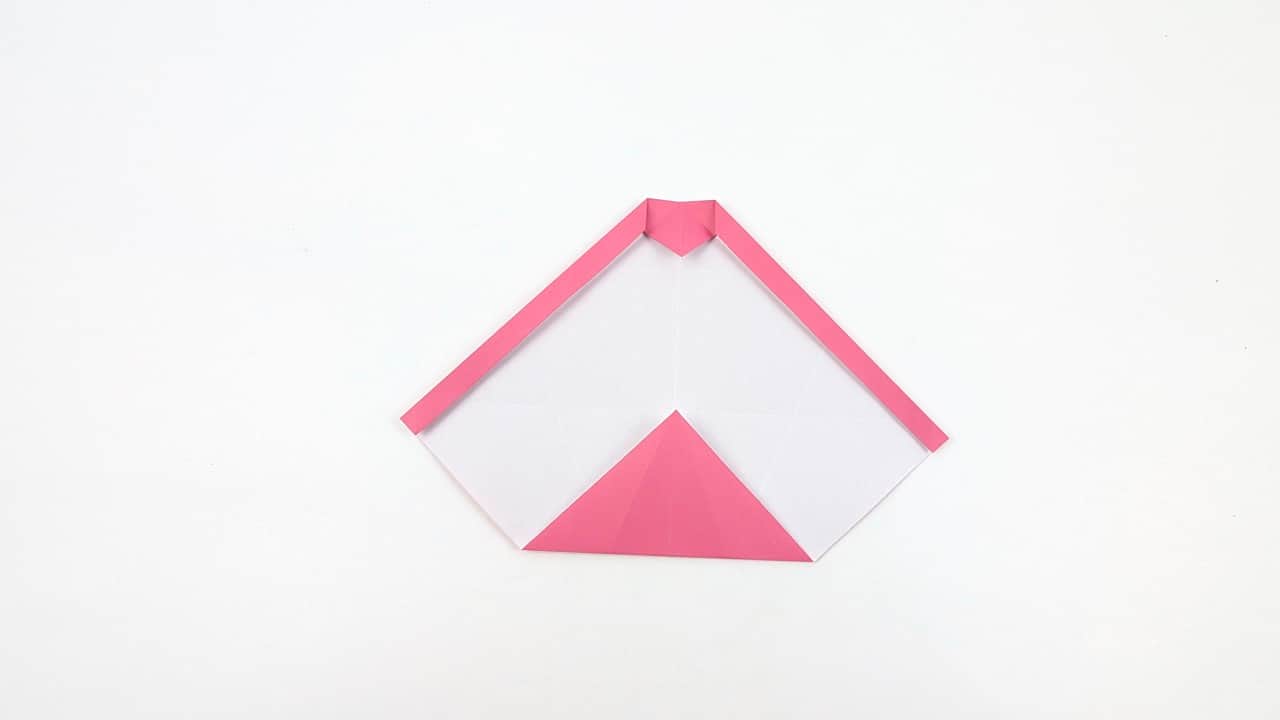
15The belly stripe is the defining feature of the tuxedo look. Adjust the width until it looks proportional.
 16
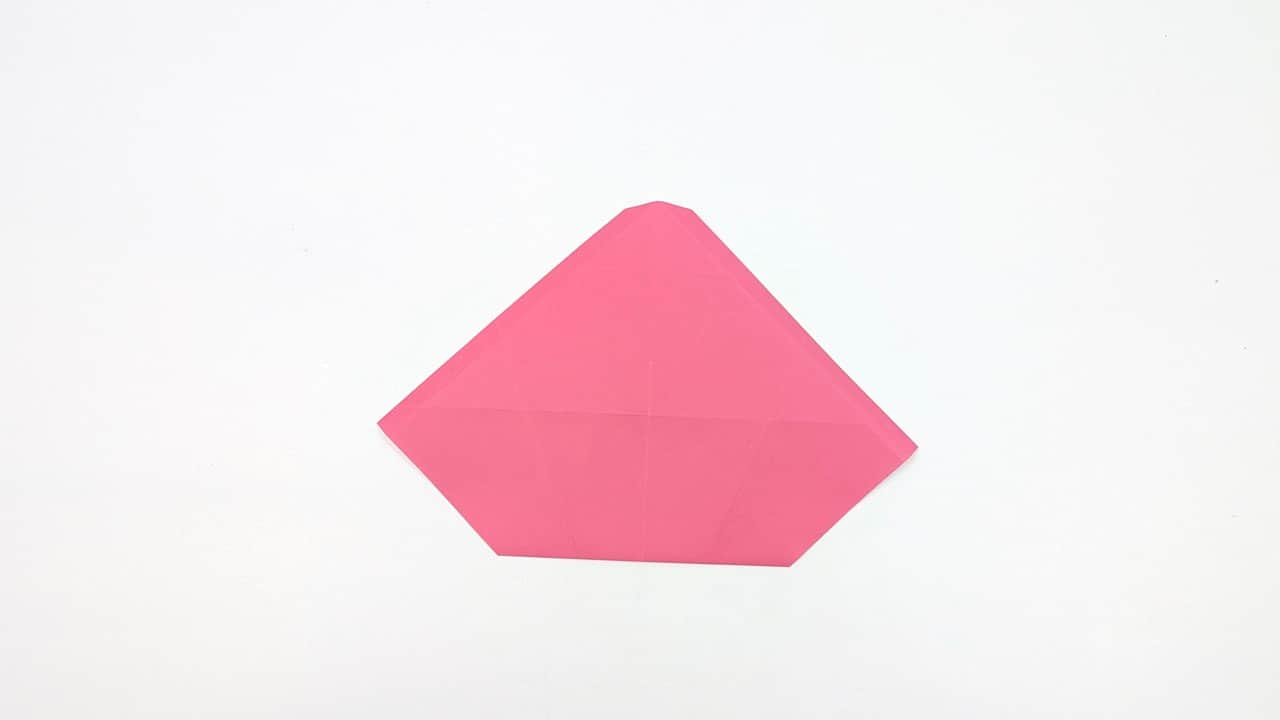
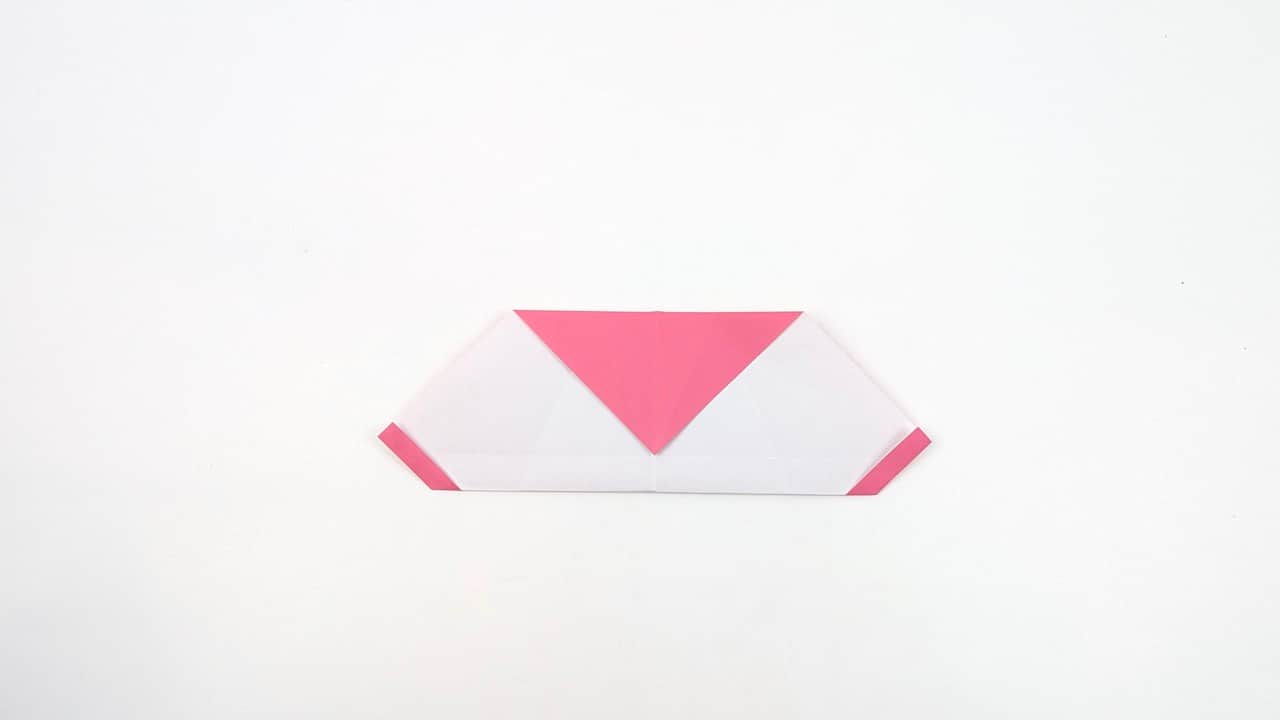
16Fold the model in half vertically, bringing the right half behind the left.
 17
17You now have a standing profile shape. The head should be at the top.
 18
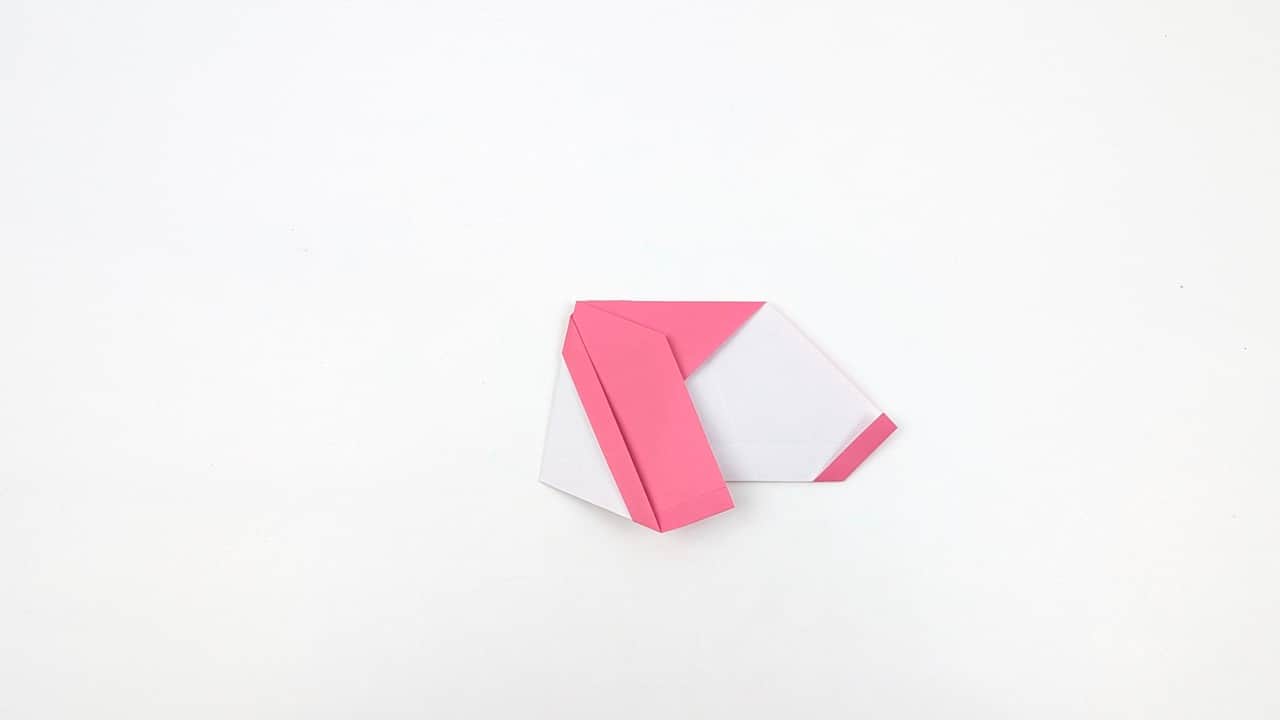
18Hold the model by the body and gently pull the head upward and forward.
 19
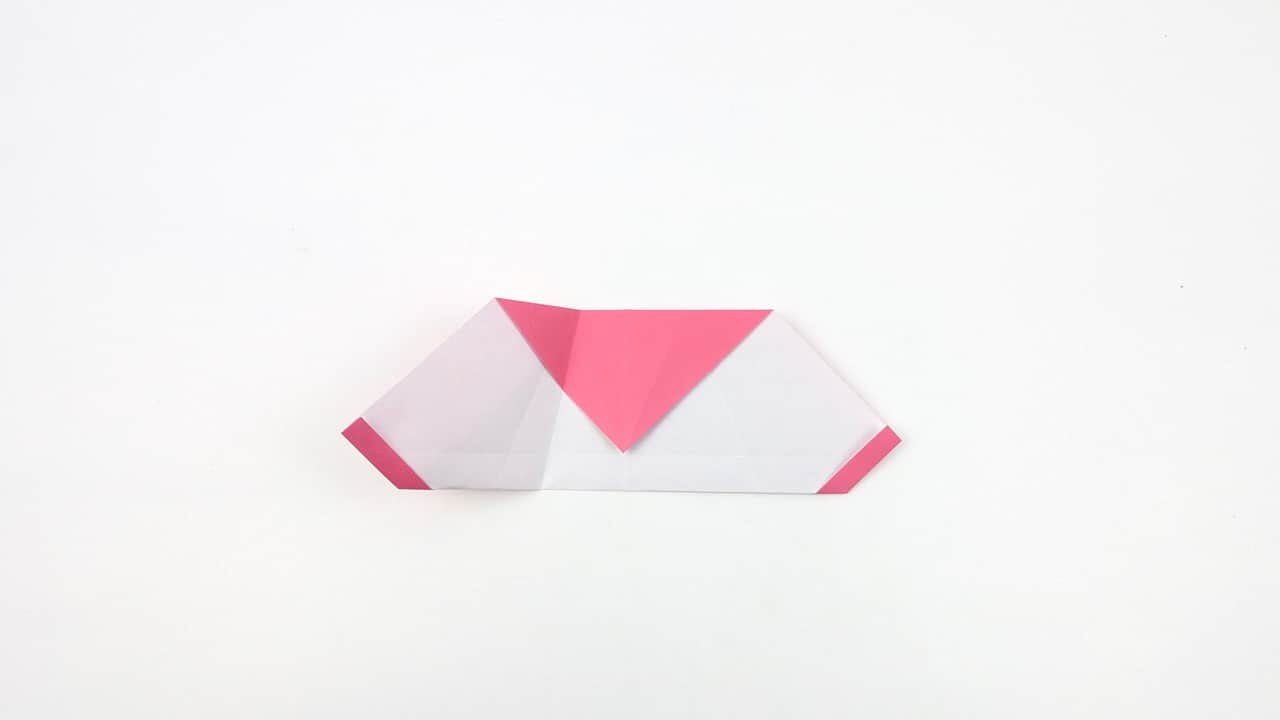
19Crease the neck fold so the head sits at a slight forward angle, not straight up.
 20
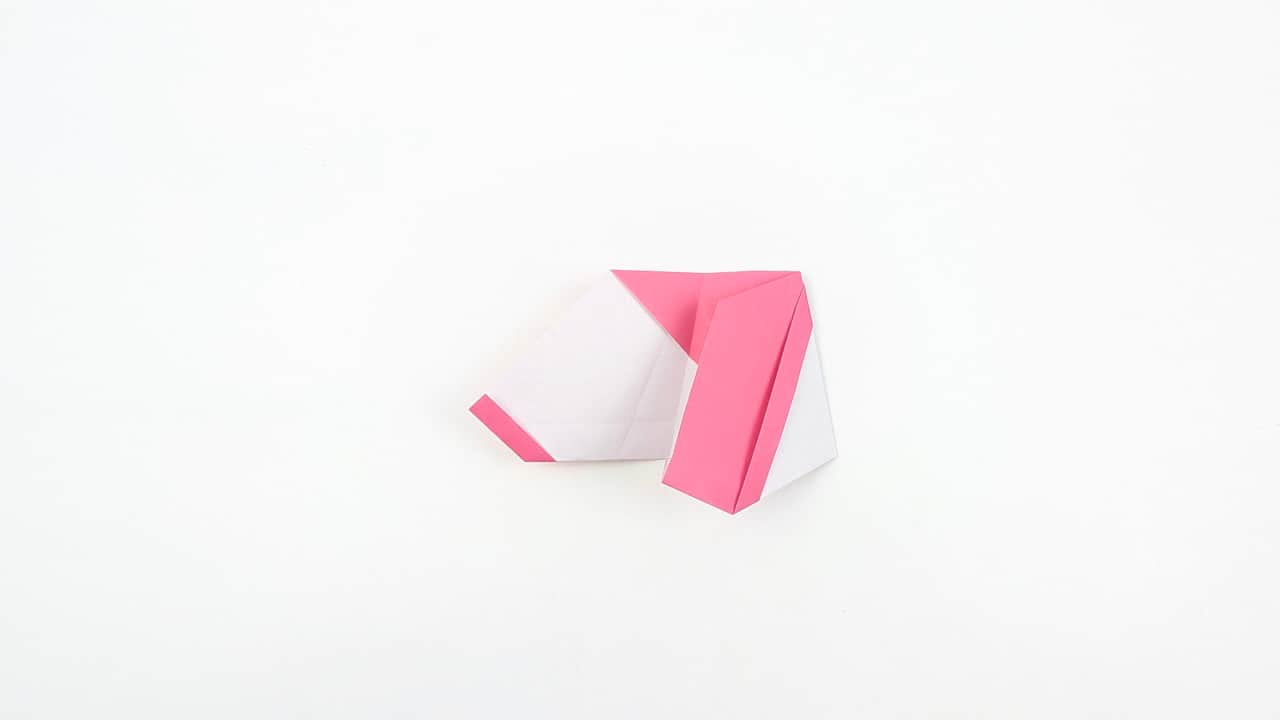
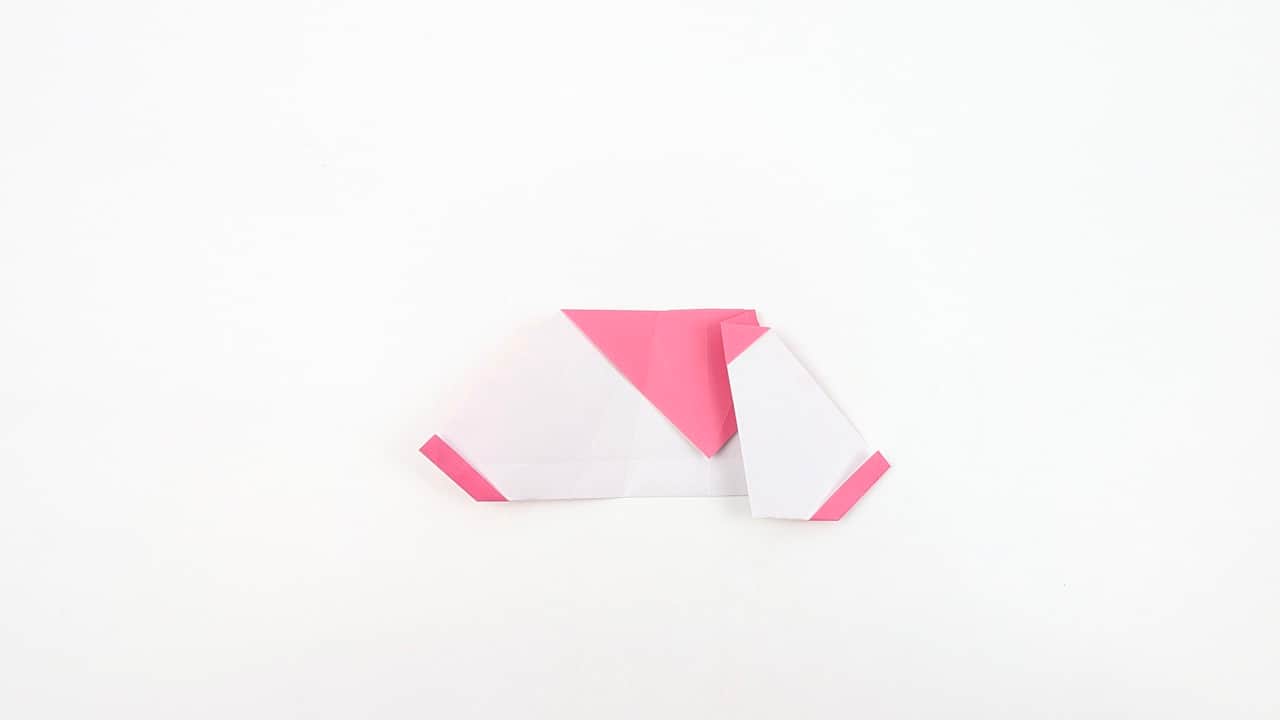
20Turn the model so the bottom faces you. Fold the front bottom point outward to form the right foot.
 21
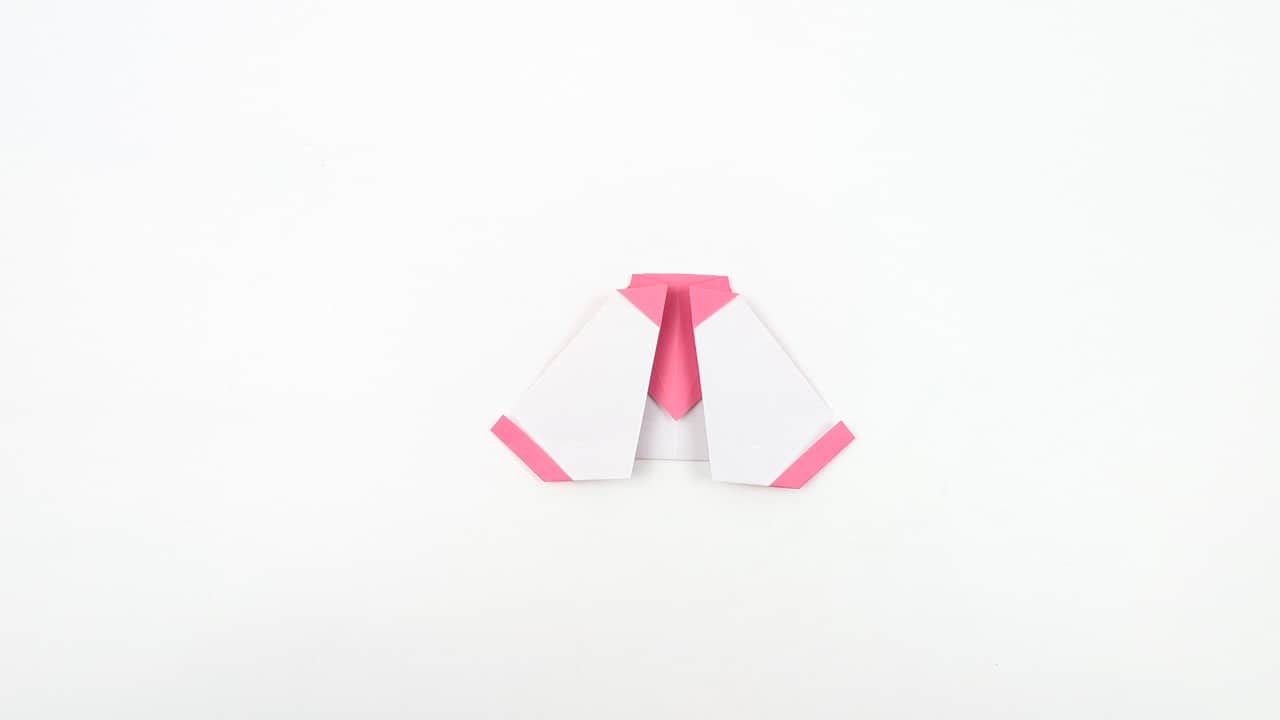
21Fold the back bottom point outward in the opposite direction to form the left foot.
 22
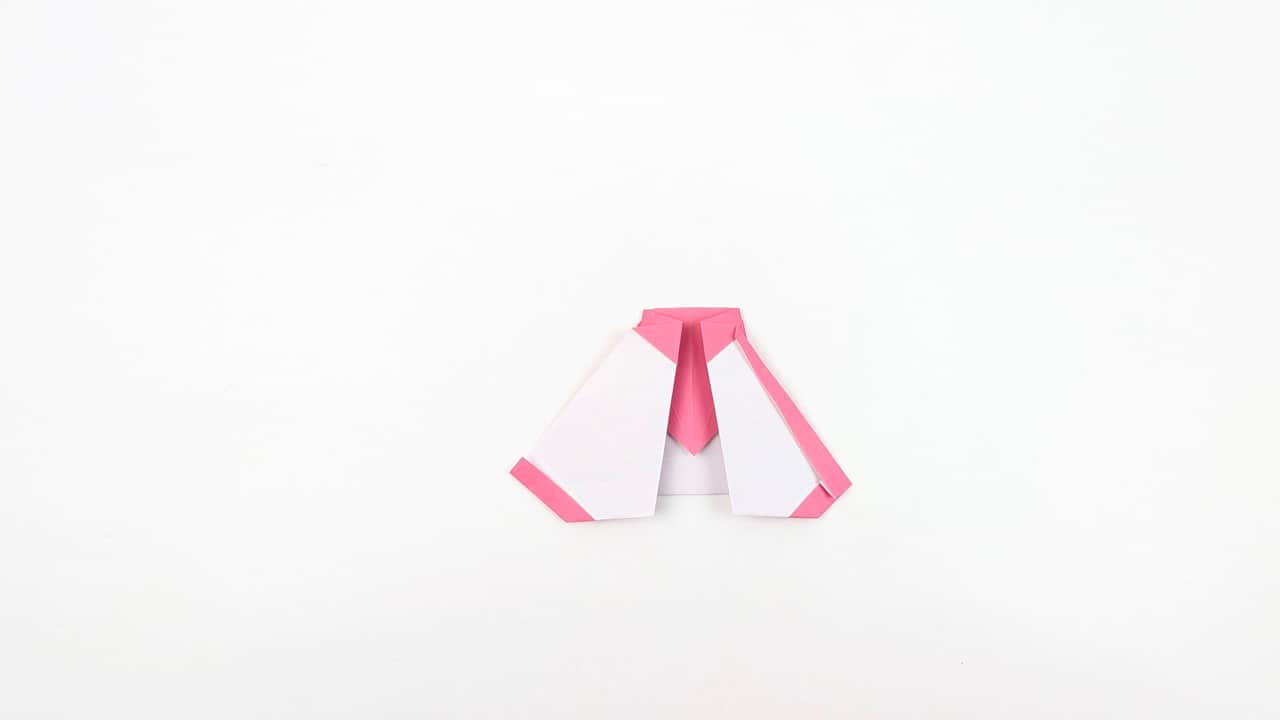
22Both feet should point outward evenly so the penguin balances and stands flat.
 23
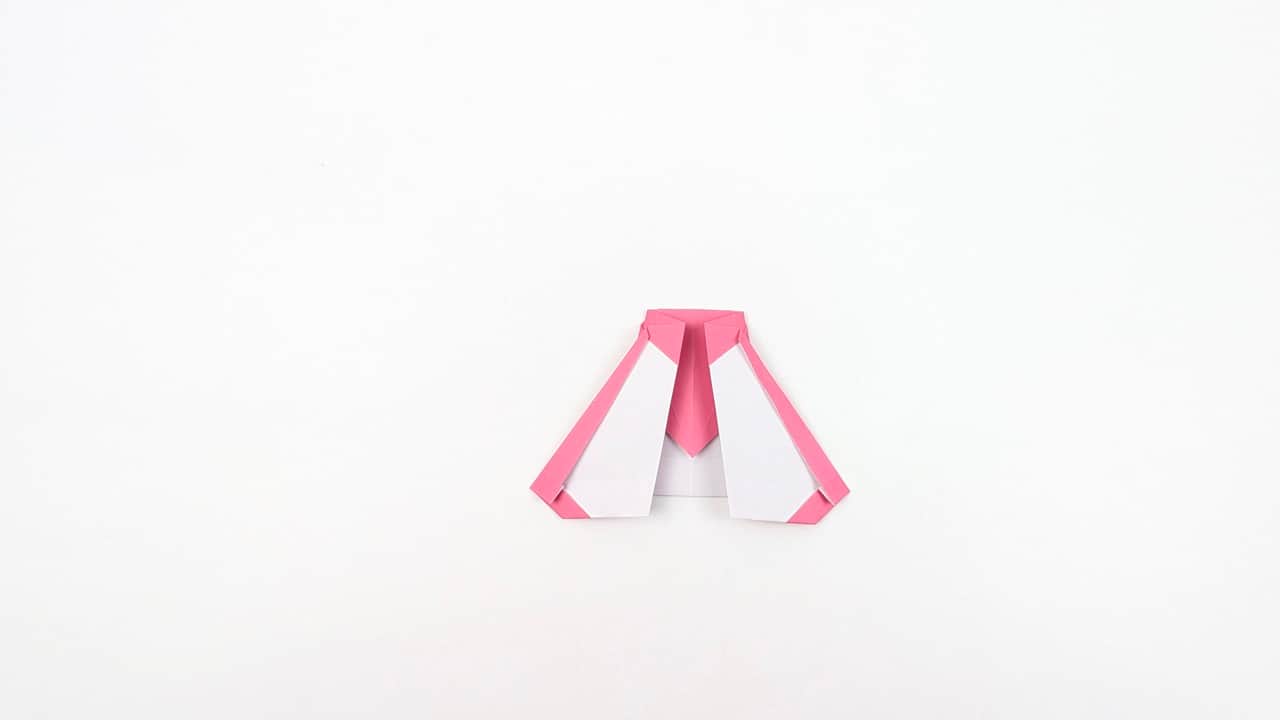
23Stand the penguin upright on the feet and check it balances. Adjust the foot angles if needed.
 24
24Look at the body from the front. The white belly stripe should be centered and visible.
 25
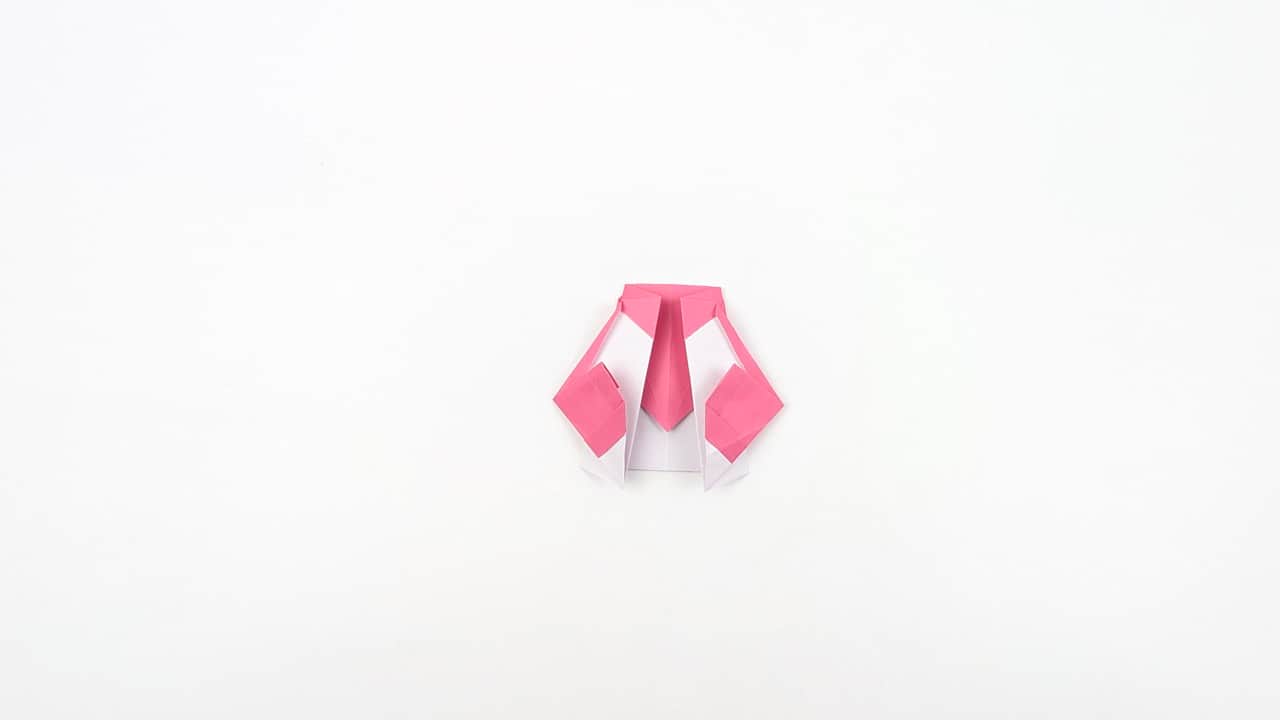
25Gently pinch the sides of the body to give it a slightly rounded, plump silhouette.
 26
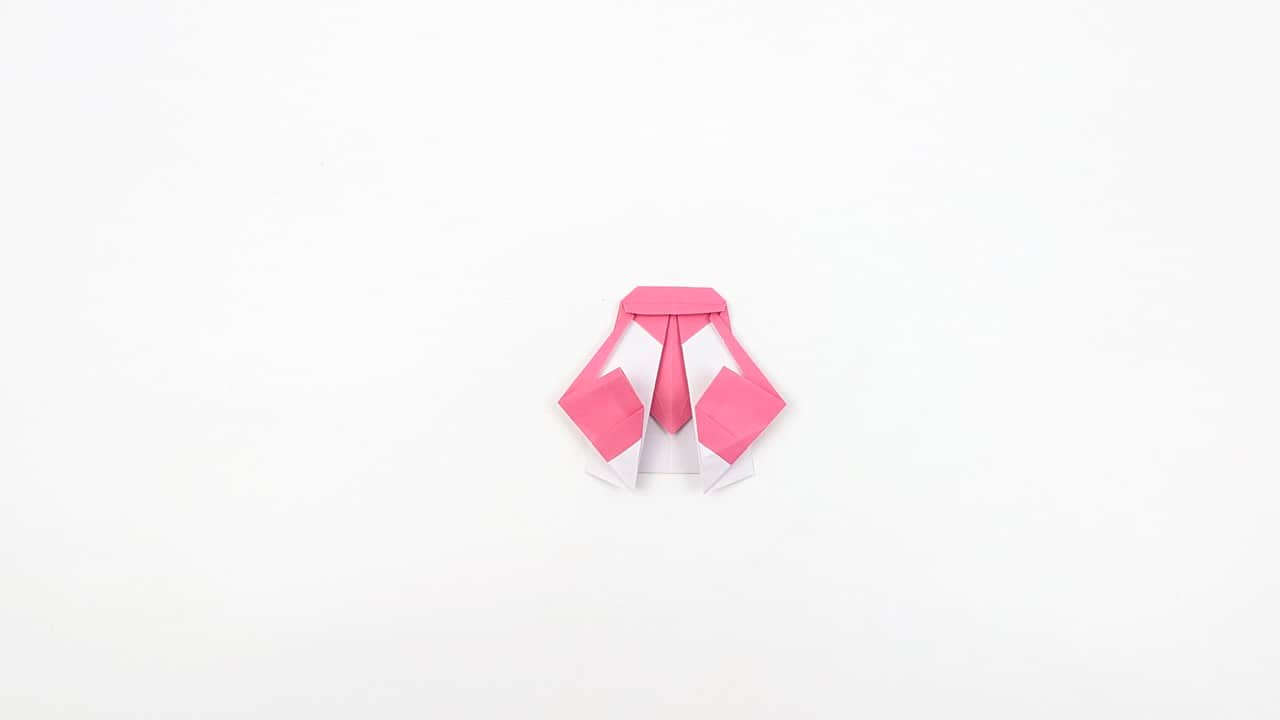
26Fold each side flap outward very slightly to suggest wings.
 27
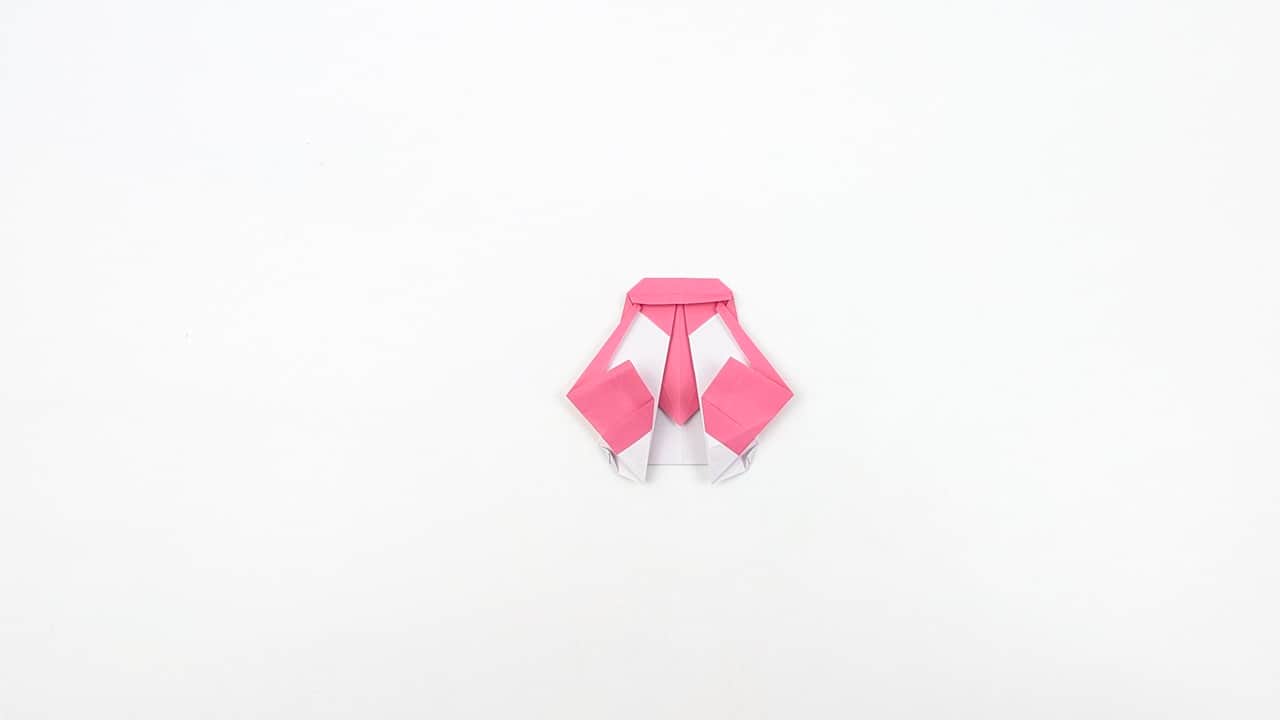
27Crease the wing folds softly — you want a subtle angle, not a sharp fold.
 28
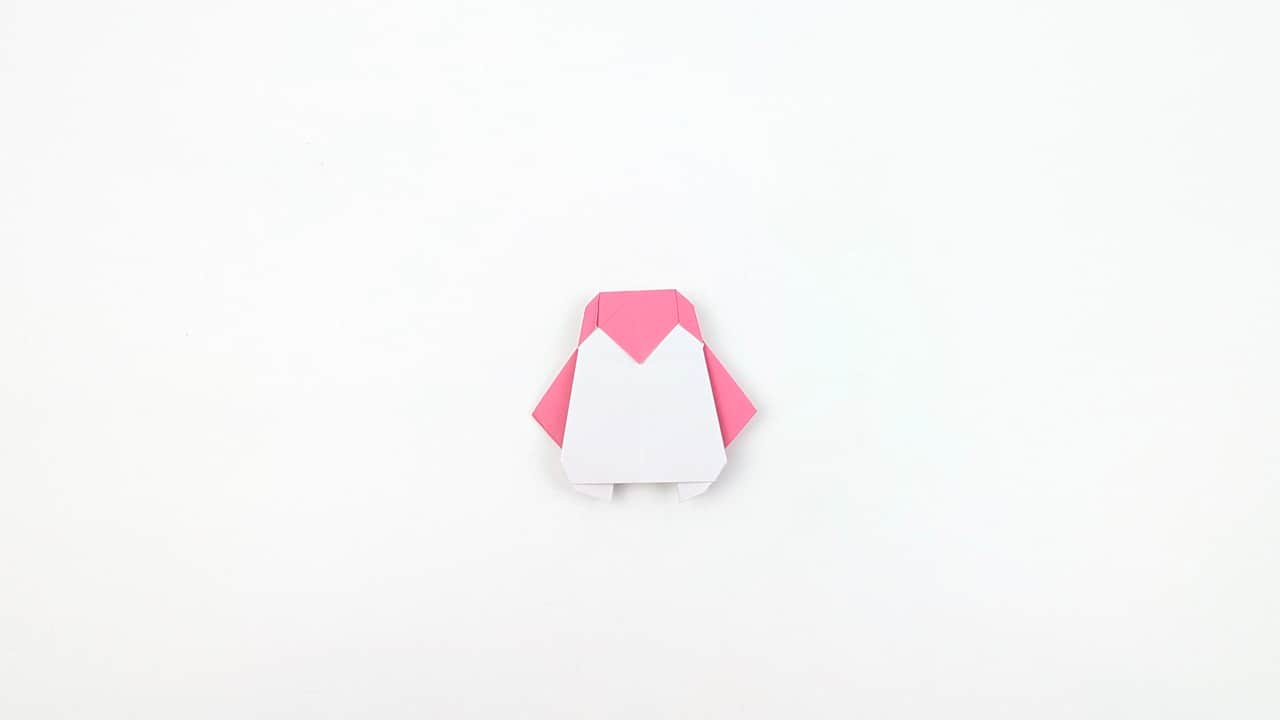
28Check the head angle from the side — it should lean slightly forward, like a penguin walking.
 29
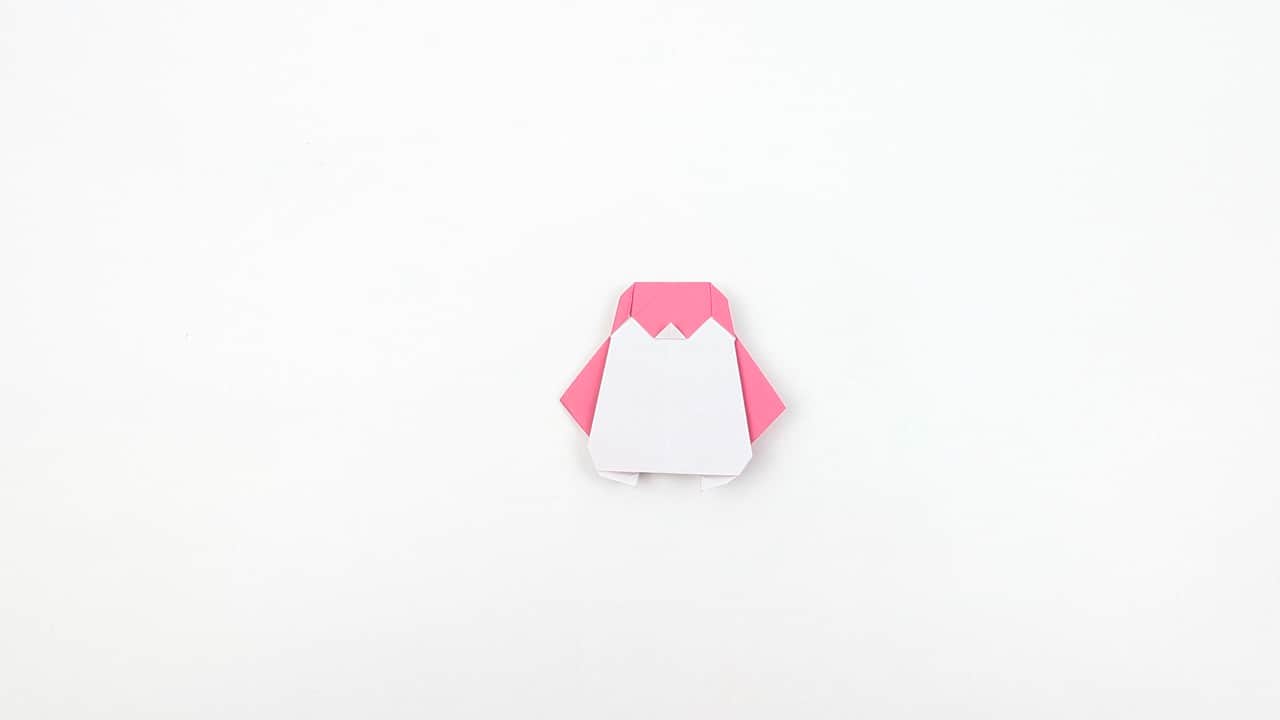
29Adjust the beak by pinching it to a neat point.
 30
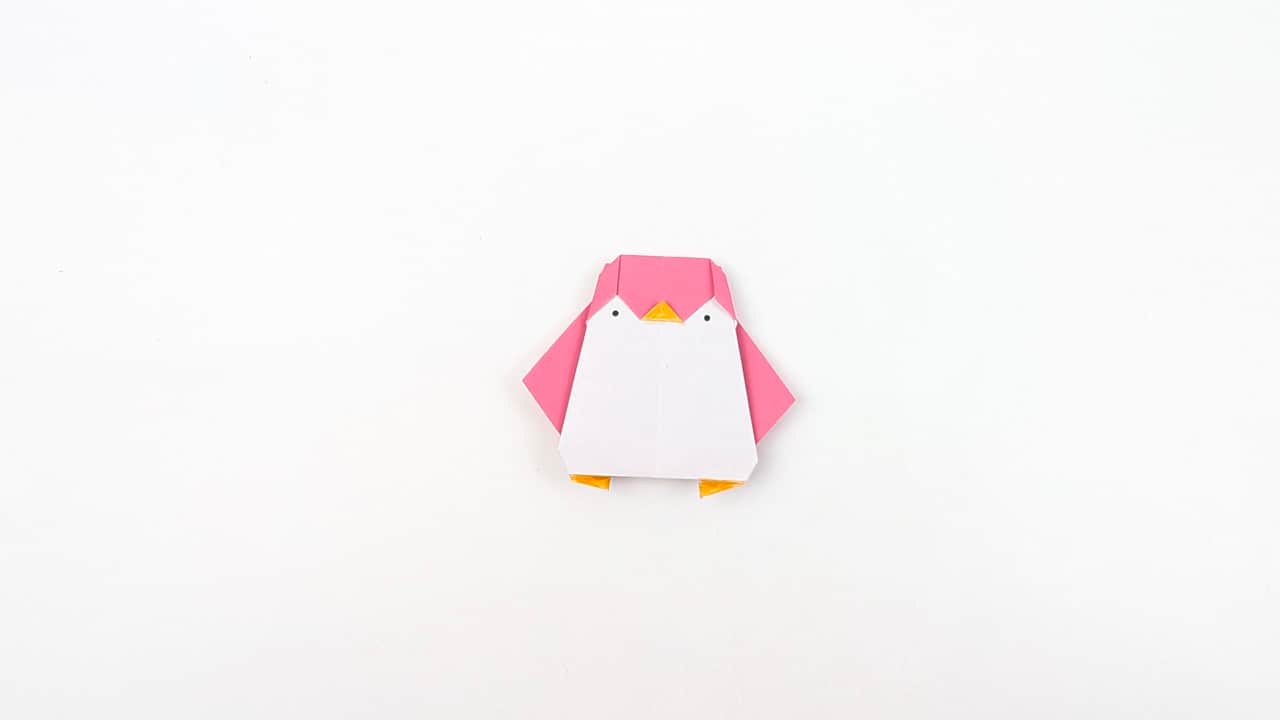
30Your origami penguin is complete! Set it on a flat surface — it stands upright on its own.
Frequently Asked Questions
What paper should I use for the origami penguin?
Standard 15 cm x 15 cm origami paper (kami) works best for the Penguin. The thin paper holds creases well and is easy to fold precisely.
How long does it take to fold the origami penguin?
This model takes approximately 8 minutes for someone with no experience. Beginners may need more time — that is completely normal. Take your time and focus on clean creases.
Is the origami penguin hard to make?
This model is rated easy. It is perfect for beginners and children. No prior experience needed.
Can kids make the origami penguin?
Yes! The Penguin is a great origami project for children ages 5 and up. It uses simple folds and takes only 8 minutes.
What size paper works best for the Penguin?
For the Penguin, we recommend a standard 15 cm (6 inch) square. Larger paper gives you more room to work with and is especially helpful for your first attempt.
What other folds should I learn after the Penguin?
After mastering the Penguin, try the Simple Fish, Blue Whale, Simple Bird. These models share similar techniques and will build your skills.
What to Fold Next
You Might Also Like
Helpful Guides
Article · 5 min
7 Easy Origami Animals for Beginners (All Under 10 Minutes)
Seven quick animal folds — fox, dog, cat, bunny, fish, bird, and butterfly — each taking under 10 minutes with a single square sheet. No experience needed.
Article · 4 min
7 Origami Tips Every Beginner Should Know
Starting your origami journey? These essential tips will help you fold cleaner, sharper, and more confidently from day one.
Article · 13 min
Best Origami Paper for Beginners — The Complete Guide
The best origami paper for beginners is 15 cm kami — but knowing why, and when to use something different, makes all the difference. This guide covers every paper type, size, thickness, and what to buy first.